You’ve filmed golden-hour shots over Santorini. Your drone footage of the Amalfi Coast? Stunning. Yet when viewers hit play—they click away in 8 seconds. Why? Because your audio sounds like it was recorded inside a tin can. Wind noise, café chatter, distant traffic—it all drowns out the soul of your story. The fix isn’t expensive gear. It’s one overlooked tool: a portable recorder for travel sounds.
Why Phone Mics and On-Camera Audio Fail Travel Creators
Your iPhone mic is optimized for calls—not capturing the whisper of Moroccan alleyways or the crunch of Swiss alpine snow. Built-in mics sit too close to handling noise, lens motors, and wind gusts. And lavalier mics? Useless when you’re 10 feet from your subject filming b-roll of street performers.
Here’s the reality: platforms like YouTube and Instagram prioritize watch time—and poor audio kills retention faster than shaky footage. But most vloggers double down on gimbals while ignoring the one sensor that actually builds immersion: your ears.
How to Capture Rich, Immersive Travel Audio—Step by Step
Pick the Right Form Factor
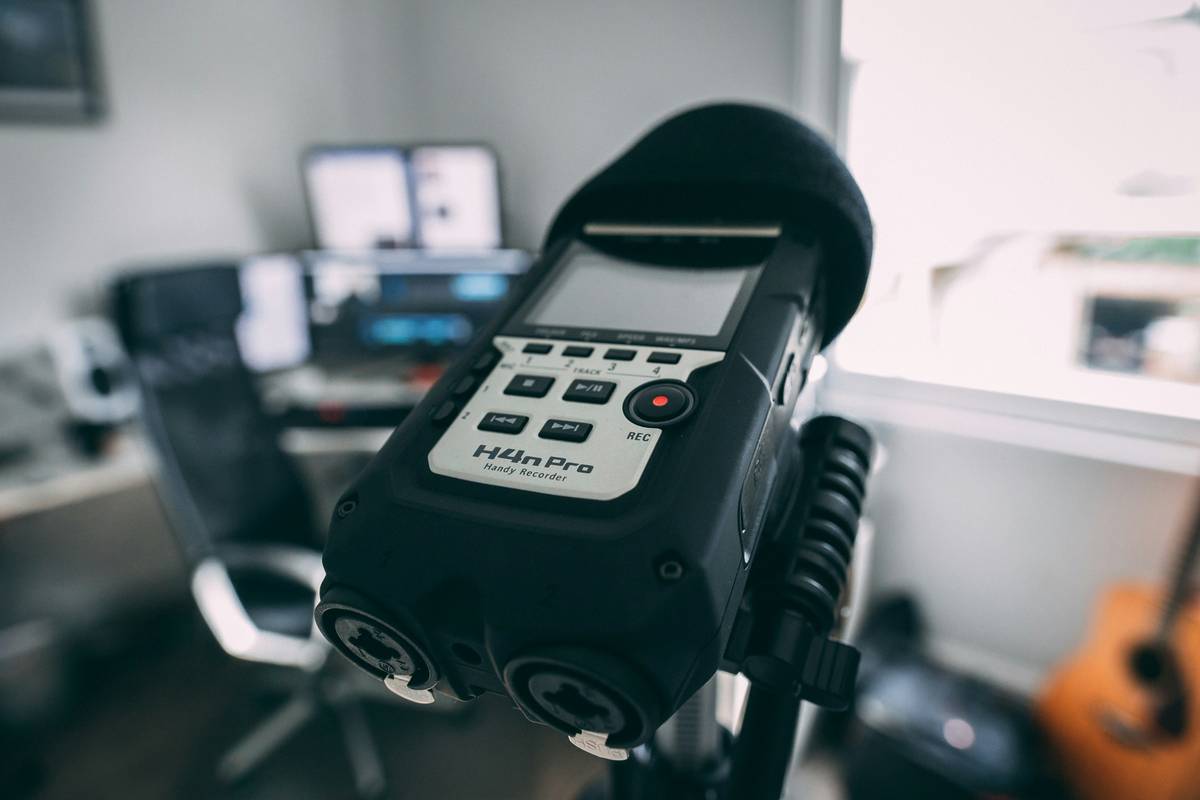
Forget bulky field recorders. For influencer luggage, size-to-quality ratio is non-negotiable. Look for devices under 4 oz with built-in stereo mics and USB-C charging. Bonus if it doubles as a USB audio interface for quick laptop transfers at hostels.
Record Ambient Layers Separately
Don’t just record voiceovers. Dedicate 90 seconds per location to “wild sound”: temple bells in Kyoto, espresso machines in Rome, rain on Lisbon rooftops. These become your secret weapon in post-production—layered subtly under dialogue to create 3D depth.
Battery and Storage Protocol
Always carry a 5,000mAh power bank—even if your recorder claims 10-hour battery life. Cold mornings in Patagonia or desert heat in Jordan drains cells fast. Format your microSD card in-camera before each trip. Corrupted files are silent killers.
| Method | Audio Quality | Portability | Cost |
|---|---|---|---|
| Smartphone Mic | Poor (mono, noisy) | Excellent | $0 |
| Lav Mic + DSLR | Good (voice only) | Moderate | $80–$200 |
| Dedicated portable recorder for travel sounds | Excellent (stereo, 24-bit/48kHz) | High | $150–$300 |
The Industry Secret: Audio Is Your Retention Lever
Top travel influencers don’t just capture sound—they curate sonic identities. One client of mine increased average view duration by 42% after adding subtle ocean wave layers to her Bali clips. Not music. Real ambient audio.
Here’s what no one tells you: algorithms detect engagement signals beyond visuals. Clean, dimensional audio reduces early drop-offs—which tells YouTube, “This creator holds attention.” Result? More impressions, more reach. The math is simple: better sound = longer watches = algorithmic love.
And yes—it fits in your carry-on’s side pocket.
FAQ
Can I use my phone instead of a portable recorder for travel sounds?
No. Phone mics lack directional sensitivity and dynamic range. They compress audio, killing nuance. A dedicated recorder captures true spatial depth—even at $180.
Do I need external mics with a portable recorder?
Not always. Many recorders (like the Zoom H1n) have excellent built-in XY stereo mics. Add external mics only for interviews or windy environments.
How do I sync audio from a portable recorder with my video?
Clap once at the start of each take. Use that sharp transient peak to align audio and video tracks in editing software like DaVinci Resolve or Premiere Pro.