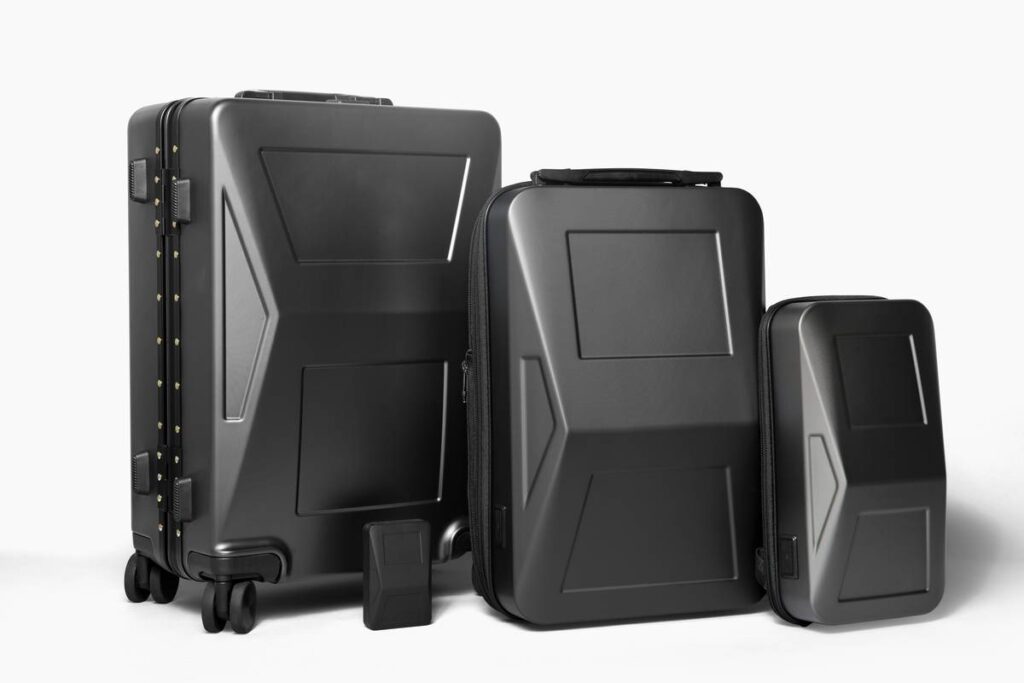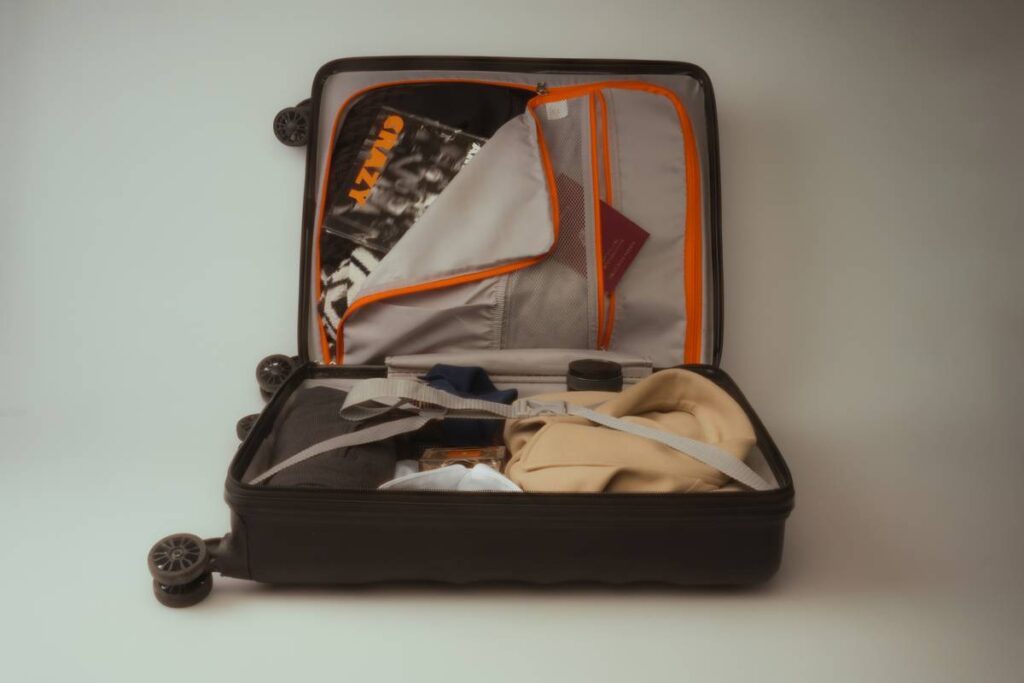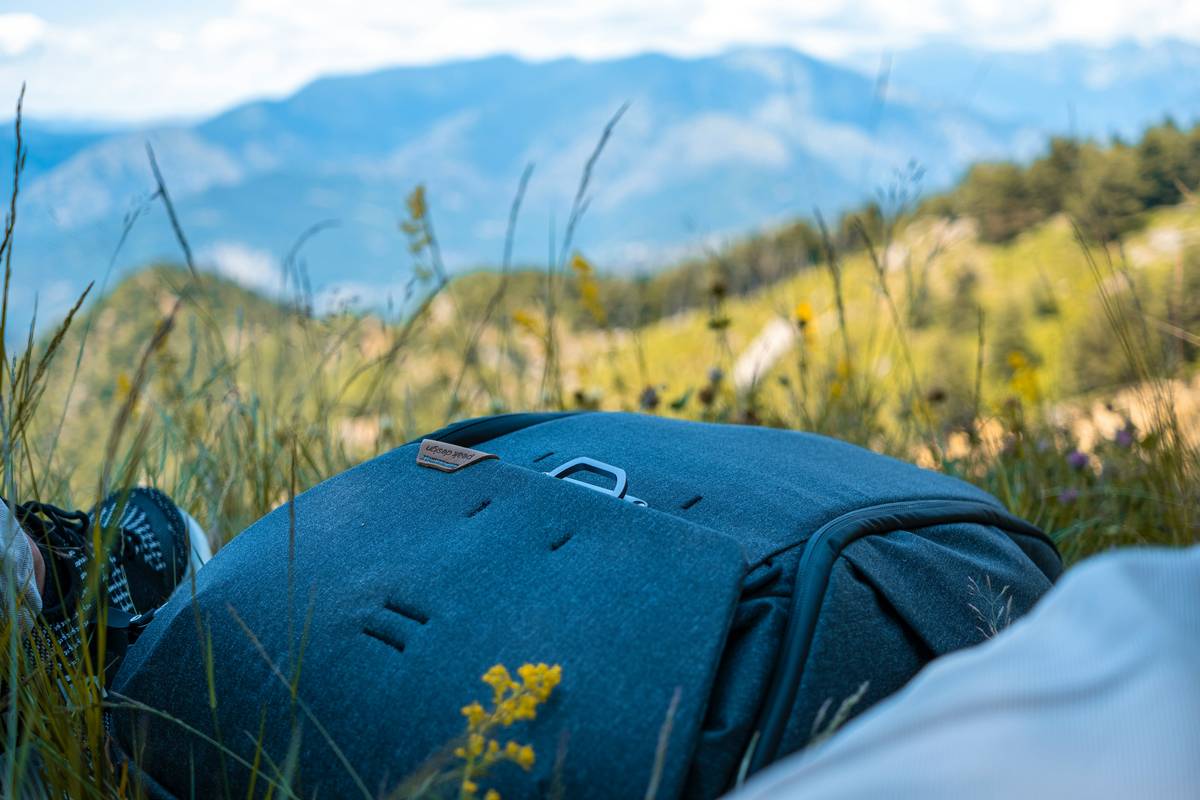
You’re not just packing clothes—you’re hauling a mobile studio. One wrong bump, and that $5,000 rig becomes scrap metal. Standard suitcases? They buckle under the weight—and the responsibility. But there’s a smarter way: purpose-built luggage for multiple camera bodies that balances gear safety, airline compliance, and street-ready agility.
Why Regular Luggage Fails Photographers and Videographers
Most travel bags weren’t designed for 3 camera bodies, 6 lenses, and a drone. They rely on flimsy dividers that collapse mid-flight or foam inserts that trap moisture. And good luck fitting it all into overhead bins without triggering gate-check panic.
Here’s the reality: airlines don’t care if your gear is worth more than their first-class ticket. You do. So stop trusting generic backpacks labeled “camera compatible.” They’re marketing theater—not engineering.
Building Your Influencer-Grade Luggage System
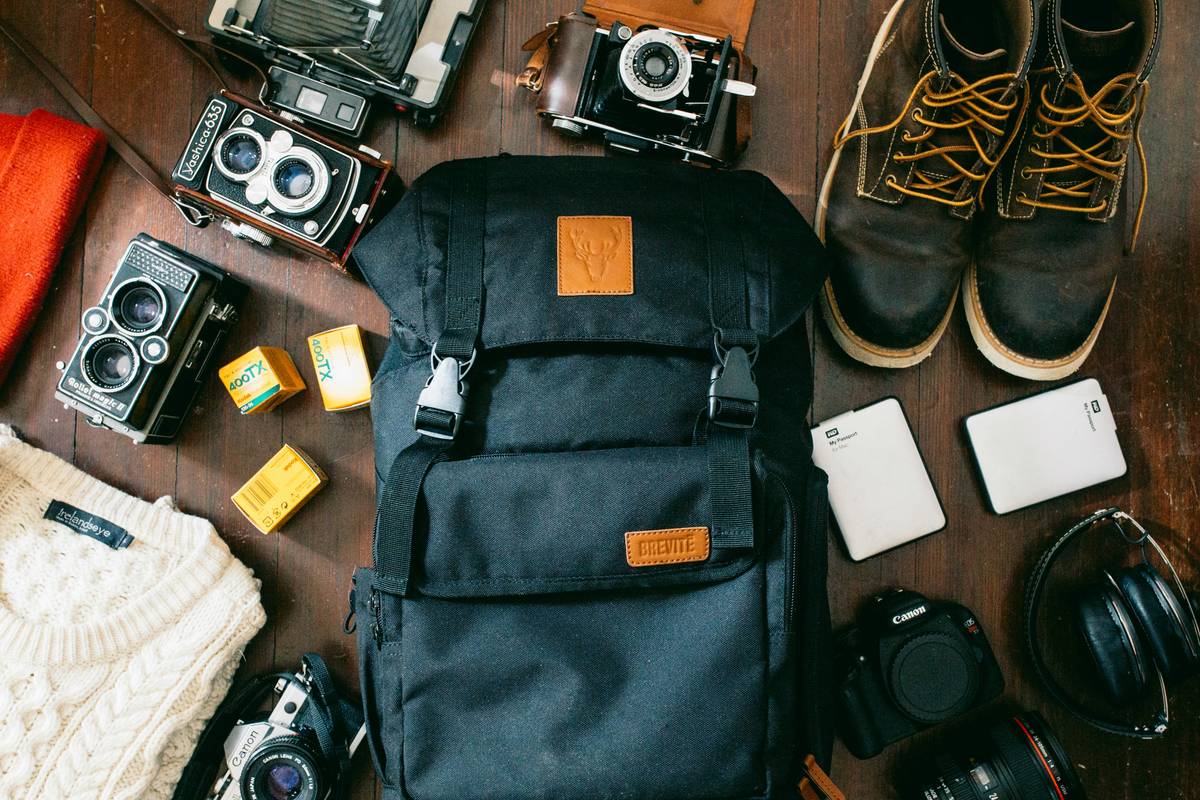
The goal isn’t just storage—it’s operational readiness. Your bag should let you swap lenses mid-shoot, access batteries without unpacking, and clear TSA in under 90 seconds. Achieve that with three non-negotiable layers:
Modular Interior Architecture
Ditch fixed compartments. Use reconfigurable cubes that adapt to today’s shoot—whether it’s two mirrorless bodies and gimbals or a full-frame + cinema rig. Look for hook-and-loop anchor points, not zippers glued to fabric.
Airline-Compliant Dimensions (But Barely)
Push the limits. A bag measuring 22 x 14 x 9 inches slips into most overheads—yet still swallows a Sony A7IV, Canon R5, and Fujifilm X-H2S with room for chargers. Measure twice. Pack once.
Stealth Durability
No glossy logos screaming “steal me.” Matte exteriors, reinforced corners, and YKK zippers that survive monsoon season. Bonus: silent magnetic closures beat Velcro every time.
| Bag Type | Max Camera Bodies | Airline Carry-On Compliant? | Weight (Empty) | Best For |
|---|---|---|---|---|
| Hard-shell roller case | 4–5 | No (Checked only) | 8.5 lbs | Studio shoots, international freight |
| Hybrid backpack with trolley sleeve | 2–3 | Yes | 4.2 lbs | Urban creators, multi-stop itineraries |
| Minimalist sling with modular inserts | 1–2 | Yes | 2.8 lbs | Day shoots, festival coverage |
The Industry Secret: Weight Distribution > Padding
Top-tier cinematographers don’t obsess over thick foam—they engineer load balance. Place your heaviest body at the center of the bag’s spine, not the bottom. Why? Because shock travels through mass. Centered weight reduces torque during drops and keeps your gimbal calibration intact.
And here’s what no brand tells you: padding degrades faster than zippers. After six months of humidity and compression, those plush liners compact into cardboard-thin sheets. Better to rely on smart geometry—and carry one sacrificial lens cap as emergency cushioning.
FAQ
Can I carry luggage for multiple camera bodies as a personal item?
Only if it fits under the seat. Most rigs require a full carry-on slot. Always check with your airline—budget carriers like Ryanair enforce stricter size rules.
Do I need separate cases for lenses and bodies?
Not if your main bag uses customizable dividers. But never store loose lenses next to metal bodies—micro-scratches add up fast. Use padded lens wraps inside the same compartment.
What’s the safest way to pack a drone with camera gear?
Keep it in a dedicated top-access pocket. Never stack heavy bodies on top. Lithium batteries must go in your personal bag—never checked luggage.