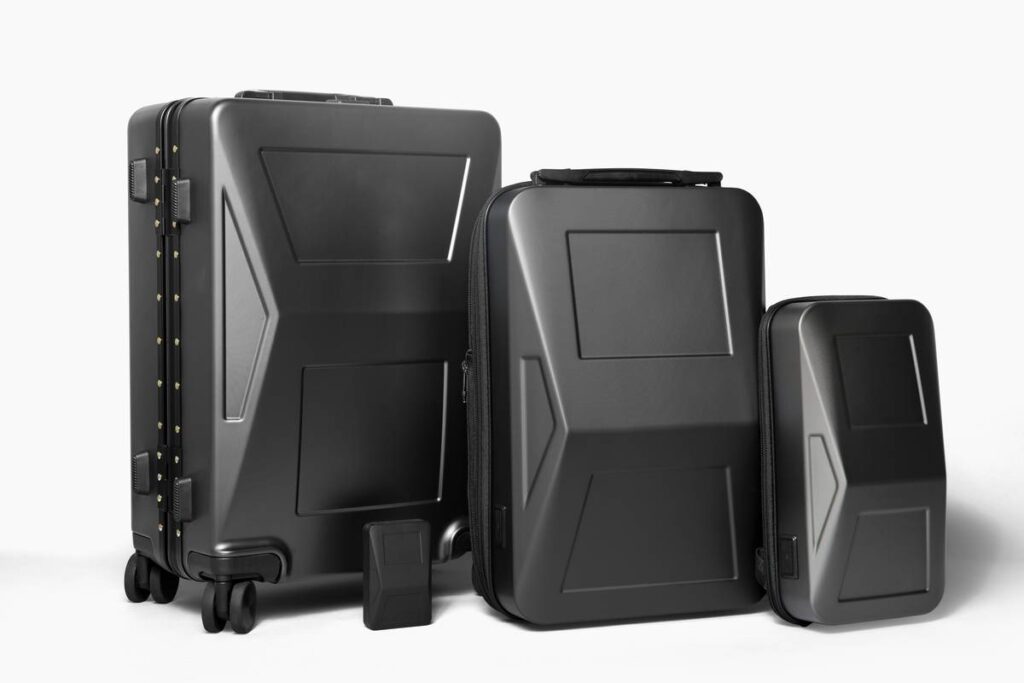
You’ve packed your camera, lenses, drone, batteries—and suddenly your checked bag hits 60 pounds. Airlines ding you $150. Your back screams. You miss golden hour because you’re wrestling a duffel through customs. And this isn’t even your first shoot abroad. The real issue? Most “travel-friendly” cases are built for tourists—not creators hauling fragile, expensive gear across continents. But what if your luggage weighed less than your tripod?
Why Standard Luggage Fails Film Crews
Traditional hard-shell suitcases prioritize scratch resistance over weight distribution. Soft duffels sag under lens kits. Rollerboards wobble on cobblestones or airport tarmac cracks—disaster when your gimbal’s inside.
Hollywood grip vans don’t exist at Berlin Tegel or Marrakech Menara. You’re solo. And every extra pound translates to fatigue, fees, or forced compromises: “Do I bring the 85mm or the ND filters?”
Worse—security screenings rip open flimsy zippers. Customs officers yank handles off budget cases. You lose time. You lose gear. You lose gigs.
How to Pack Smart: A Filmmaker’s System
Forget “packing light.” Aim for strategic minimalism. Your case should protect, organize, and disappear on your shoulder.
Selecting the Right Shell
Prioritize materials like polycarbonate blends or aerospace-grade nylon—they absorb shock without bulk. Avoid aluminum frames; they add dead weight with zero ROI for solo shooters.
Internal Architecture Matters
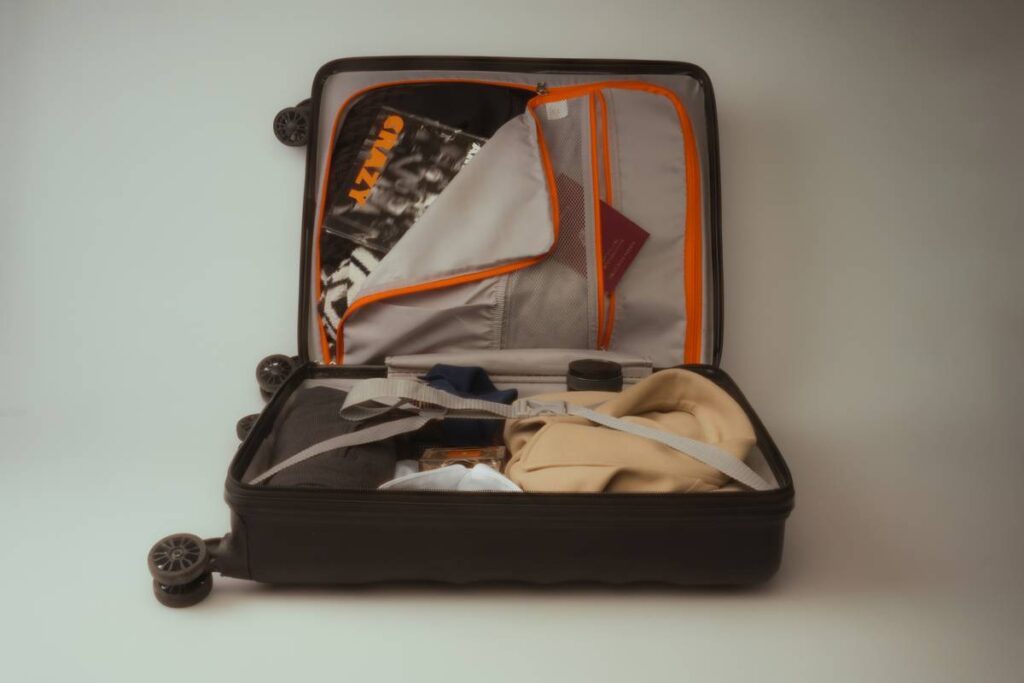
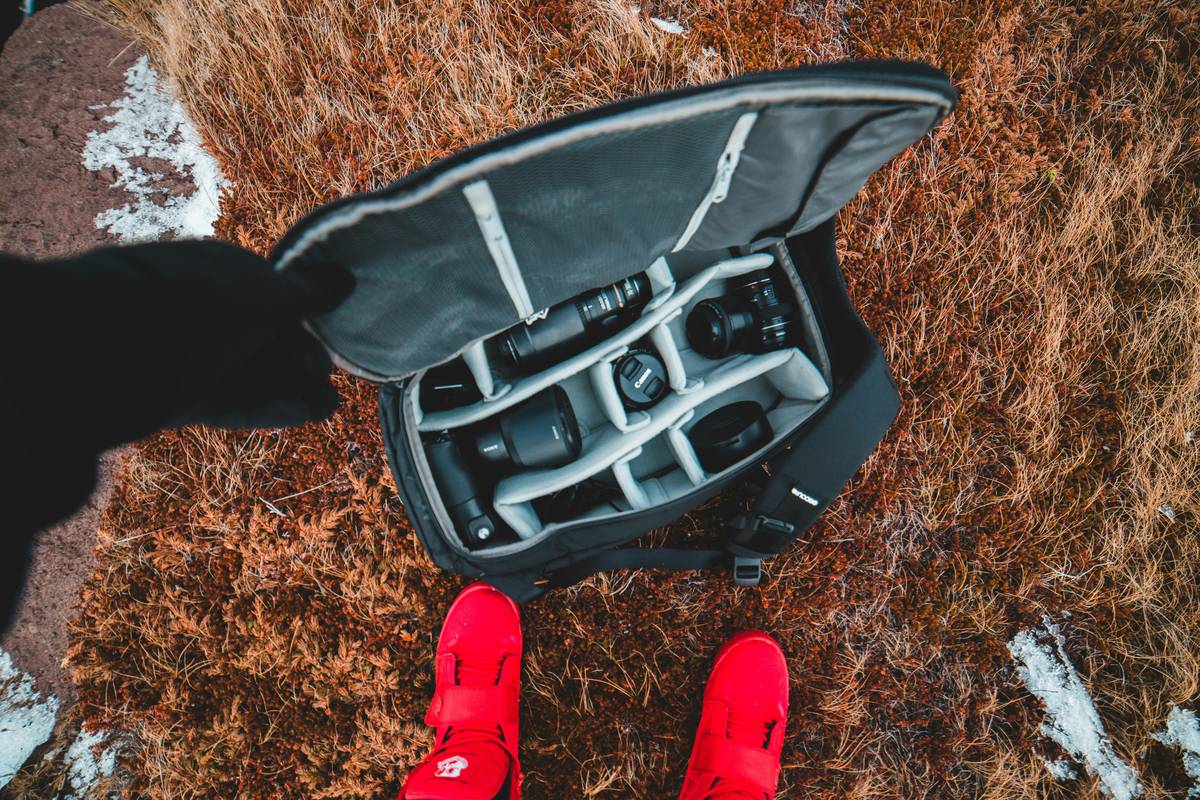
Modular dividers > fixed foam. You need to reconfigure fast: one day it’s a cinema rig, the next it’s just a Sony FX3 and mics for doc work. Look for customizable honeycomb grids that lock in place but slide out when needed.
Carry-On Compliance Is Non-Negotiable
If it doesn’t fit under the seat or in the overhead bin of a regional jet (think: Embraer E175), it’s not travel-ready. Period.
| Case Type | Avg. Empty Weight | Fits Carry-On? | Gear Protection Level | Best For |
|---|---|---|---|---|
| Hard-shell roller (standard) | 9.5 lbs | No (oversized) | Moderate | Studio shoots with car transport |
| Soft-sided duffel | 4.2 lbs | Yes (if under-packed) | Low | Backup audio gear only |
| Lightweight hybrid case (modular) | 5.8 lbs | Yes | High | Solo filmmakers traveling internationally |
| Backpack-style pelican alternative | 6.3 lbs | Yes | Very High | Rugged fieldwork + air travel |
The Industry Secret No One Talks About
Top-tier indie cinematographers don’t buy “camera bags.” They build multi-role shells. Here’s how: choose a carry-on case that doubles as on-location storage. Remove dividers post-security, and it becomes your production cart—holding batteries, cards, tools during shoot days. One container. Zero transfers.
And here’s the kicker: many premium brands offer hidden anchor points inside lids for mounting SSDs or small LEDs. It’s never advertised—but check the spec sheets. That tiny M4 thread? Worth its weight in saved setup time.
Think about it: your luggage shouldn’t just survive travel. It should earn its keep on set.
FAQ
Can I really fit a full mirrorless kit in carry-on luggage?
Yes—if you skip redundant lenses. Most pro shooters travel with one body, one prime, one zoom, and a compact gimbal. Modular cases optimize every cubic inch.
Are lightweight cases durable enough for international flights?
Absolutely. Modern polycarbonate composites withstand 3x the impact of ABS plastic. Just avoid zippered expansion compartments—they fail mid-haul.
What’s the ideal weight for lightweight luggage for film gear?
Aim for under 6.5 lbs empty. That leaves room for ~18 lbs of gear while staying safely under 23-lb carry-on limits on most airlines.