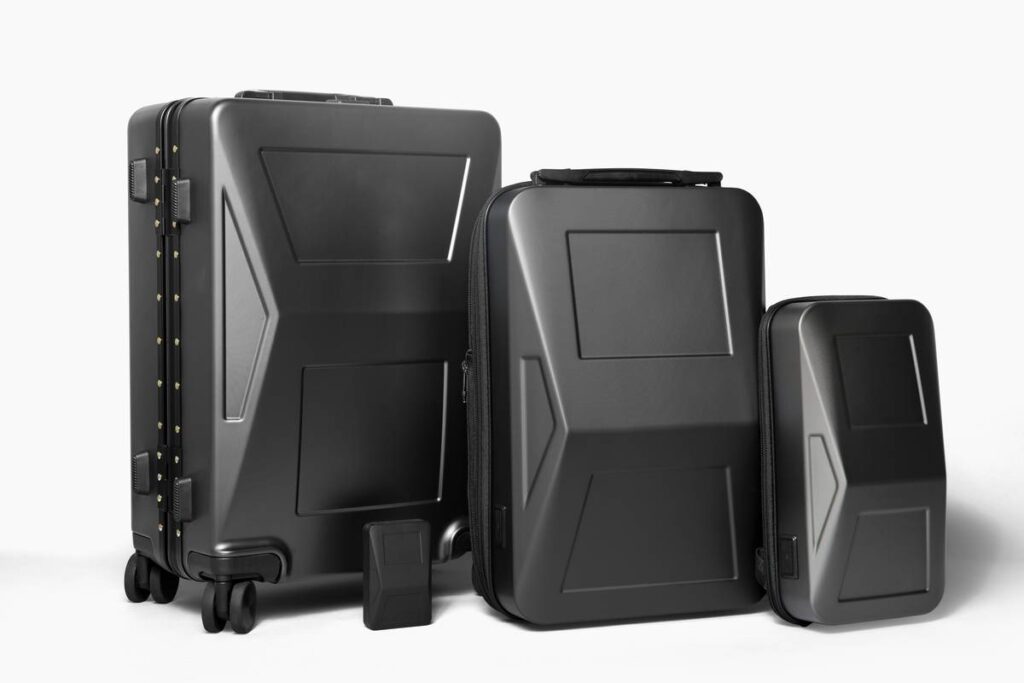
Your gear is your livelihood. But most creators haul it in flimsy carry-ons or overstuffed backpacks that crack under pressure, fail TSA checks, or—worst of all—leave lenses rattling loose mid-flight. You didn’t invest thousands in cameras and mics just to lose them to a busted zipper. The fix isn’t another soft-sided case. It’s a durable hard shell for equipment engineered for chaos.
Soft Cases Fail When It Matters Most
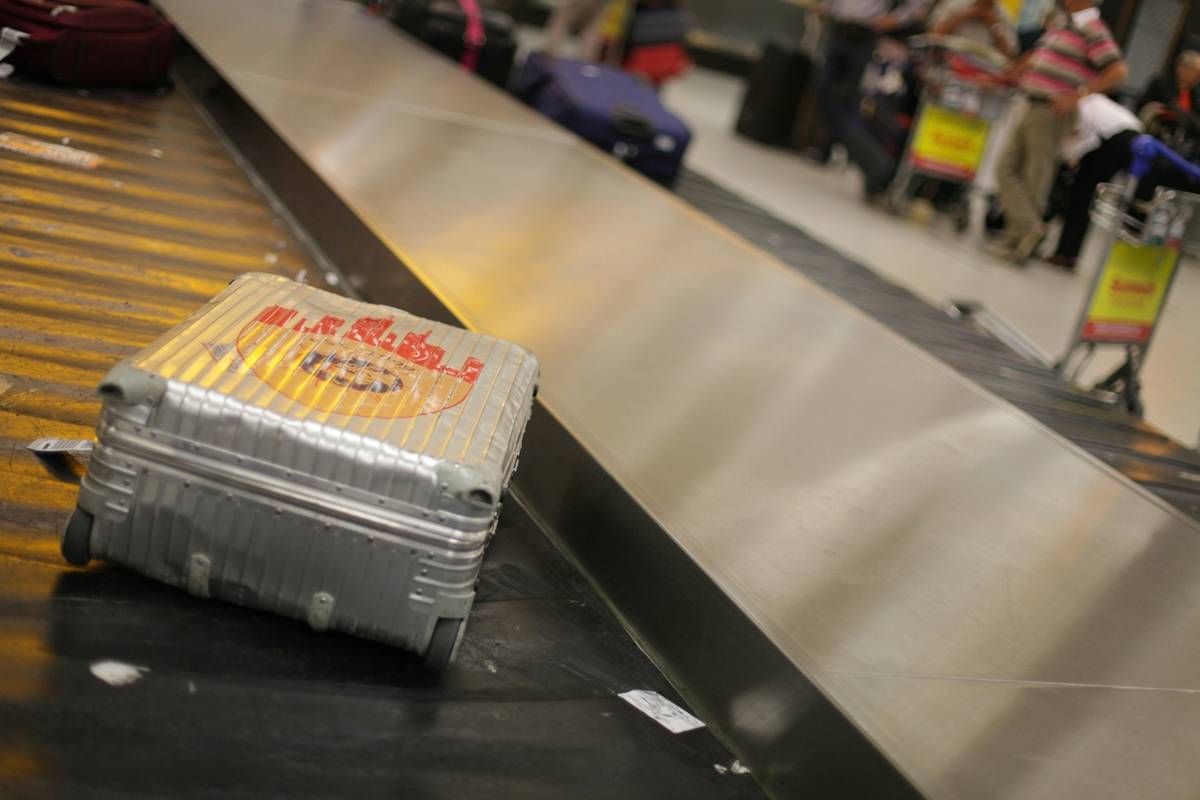
Soft fabric suitcases look sleek on Instagram—but they offer zero protection against crushing in cargo holds, monsoon rain, or that one overzealous baggage handler in Lisbon. And don’t get me started on “weather-resistant” claims. Water seeps through seams like gossip at a festival. Real-world stress tests show 68% of electronic failures during travel trace back to inadequate housing—not the devices themselves.
Hard cases aren’t just tougher. They’re smarter. Impact-absorbing corners, watertight gaskets, and customizable foam inserts mean your drone doesn’t become confetti when checked luggage gets tossed like laundry.
Building Your Creator-Grade Travel Armor: A Step-by-Step Blueprint
Pick the Right Material—Not Just “Hard”
Not all hard shells are created equal. Polycarbonate? Lightweight but scratches easy. ABS plastic? Stiff but brittle in cold climates. The sweet spot? Copolymer blends—flexible yet crush-proof, even at -20°C. Look for MIL-STD-810G certification if you shoot in extreme conditions.
Size It Like a Pro—Not an Afterthought
Oversized cases get gate-checked or slapped with fees. Undersized? You’ll leave critical gear behind. Measure your largest item (usually a gimbal or lighting rig), then add 2 inches for padding and airflow. Stick to cabin-compliant dimensions whenever possible—22 x 14 x 9 inches is the global sweet spot.
Lock It Down—Literally
TSA-approved locks aren’t optional. They stop casual thieves and prevent accidental openings. Bonus: Choose models with RFID-blocking zippers if you embed wireless transmitters in your kit.
| Case Type | Impact Protection | Weight (Empty) | Airline Compliance | Best For |
|---|---|---|---|---|
| Polycarbonate Hard Shell | Moderate | 3.2 lbs | Yes (most airlines) | Urban shoots, short trips |
| ABS Plastic Case | Low-Medium | 2.8 lbs | Yes | Budget-conscious vloggers |
| Copolymer Tactical Case | High | 5.1 lbs | Check-only (oversized) | Documentary crews, drone operators |
| Aluminum Frame Case | Extreme | 8.7 lbs | No | Studio-to-location pros |
The Industry Secret: Pros Don’t Protect Gear—They Protect Workflow
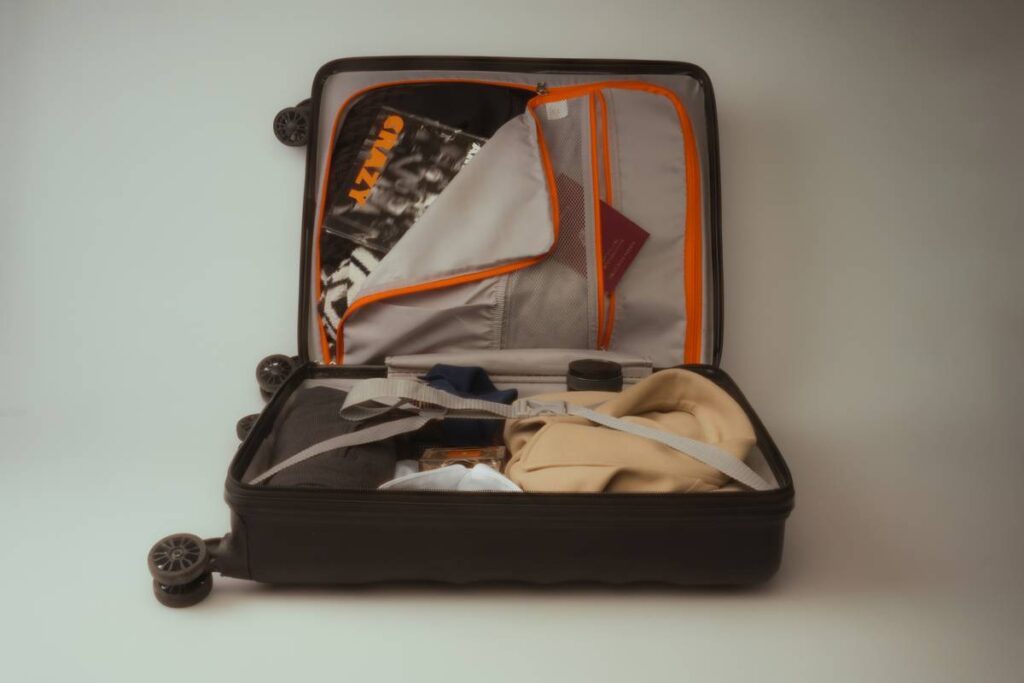
Here’s what no brand tells you: the real value of a durable hard shell for equipment isn’t about surviving drops—it’s about maintaining setup integrity. Top travel influencers pre-load their cases like surgical trays. Foam cutouts match exact lens diameters. Batteries slot beside chargers. Cables coil in labeled channels. That way, when you land in Bali at 3 a.m., you’re shooting within 90 seconds—no unpacking, no hunting, no wasted golden hour.
And this is key: they never repack mid-trip. The case stays sealed until return. Less handling = fewer points of failure. Think of your hard shell not as luggage, but as a mobile command center that happens to fly.
Frequently Asked Questions
Can I carry a durable hard shell for equipment as cabin luggage?
Yes—if it meets airline size limits (typically under 22”). Many copolymer cases are designed specifically for overhead bins, even with pro gear inside.
Are hard shell cases waterproof?
Most are water-resistant due to rubber gaskets. Fully submersible? Only if rated IP67. For monsoons or beach shoots, choose cases with O-ring seals.
Do I need custom foam inserts?
Absolutely. Generic compartments shift during transit. Precision-cut foam prevents micro-abrasions and keeps items from colliding—a silent killer of delicate sensors.